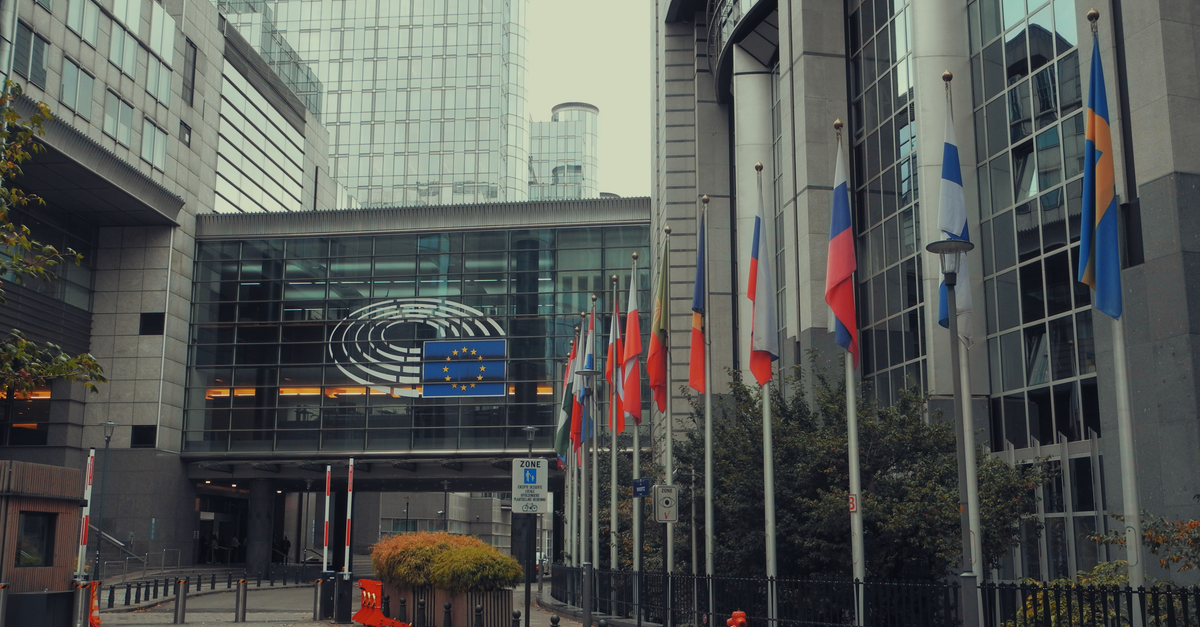

The European Institutional Investors Pact launched on 22 September 2026 with 13 signatories intending to channel capital through ETCI 2.0 and the Scaleup Europe Fund. The crucial test is not the combined €20bn targets, but whether institutions commit capital, funds reach closes and managers can write timely growth-stage cheques.
- ·The 22 September 2026 pact is voluntary, so a signature is not the same as a funded allocation.
- ·ETCI 2.0 has a €15bn fundraising target, while the Scaleup Europe Fund has a separate €5bn target.
- ·The Scaleup Europe Fund’s 11 August 2026 ICEYE investment shows capital can move quickly once a vehicle is operational.
- ·Novo Holdings’ €500m commitment is meaningful, but it does not by itself complete a €5bn fundraise.
- ·ETCI 1 shows that the model can work: by 15 September 2026 it had invested €3.5bn across 50 companies and produced 15 unicorns.
- ·Founders should treat the pact as a new route through fund managers, not as direct startup funding or a replacement for international investor outreach.
Europe has announced a pact. It has not yet announced €20bn of cash for companies.
On 22 September 2026, the European Commission and European Investment Bank launched the European Institutional Investors Pact with 13 institutional investors signing an intention to channel investment into two separate vehicles: European Tech Champions Initiative 2.0, or ETCI 2.0, which has a fundraising target of up to €15bn, and the €5bn Scaleup Europe Fund. The headline is therefore more than €20bn of targeted capacity. Yet the pact itself is voluntary. It does not send money directly to startups, and it does not mean that every signatory has made a binding allocation. For founders and fund managers, that distinction is the whole story.
The new framework matters because Europe is trying to build more domestic capacity for larger technology rounds. But it should be read as a conversion chain, not a single pot of money: policy announcement, institutional commitment, fund close, manager deployment, then a company round. Only the final two stages alter a founder’s financing options.
The part most people miss is that the €15bn ETCI 2.0 target and €5bn Scaleup Europe Fund target are not one common, immediately available balance. They are distinct initiatives, with different managers, processes and timetables. The European Institutional Investors Pact is the effort to bring more institutional money into them. It is a useful signal. It is not proof that capital has already reached growth funds or scale-ups.
Why the timing matters
The policy direction changed quickly during 2026. On 10 July 2026, ETCI 2.0 launched with a target of up to €15bn and an ambition to mobilise up to €80bn. The European Investment Bank said it could contribute up to €1.25bn. On 18 May 2026, EQT was selected to manage the Scaleup Europe Fund, whose target is €5bn, with EQT also committing its own capital.
That sequence is important. Before these moves, Europe had successful individual funds and institutions, but not this new attempt to steer more institutional capital towards growth and technology vehicles at a pan-European level. The pact adds political backing and a common channel. It also arrives when European capital under management, including dry powder and portfolio value at cost, reached a record €1.37tn in 2025.
Dry powder means capital that investors have raised but not yet invested. It is a useful number, but it is not the same as a commitment to European growth technology. The real question is whether institutions shift enough of their available capital into eligible funds, on terms that allow those funds to act quickly.
A limited partner, often shortened to LP, is an institution that puts money into a fund managed by someone else. In this case, the pact is mainly about LP capital entering vehicles and fund managers, rather than 13 institutions writing direct startup cheques. That extra step matters. A founder cannot assume that signing the pact creates a new investor meeting next week.
The evidence so far is mixed but encouraging. The Scaleup Europe Fund made its first deal on 11 August 2026, co-leading ICEYE’s Series F. ICEYE is a Finnish satellite intelligence company valued at more than $11bn. A co-lead is an investor that shares responsibility for leading an investment round. EQT’s decision to co-lead, rather than merely join the round, showed that a newly operational European vehicle can act with strategic weight.

ICEYE’s August 2026 Series F showed that a newly operational European vehicle can co-lead a major round. Photo: Wikimedia Commons contributor / Wikimedia Commons, Public domain.
That deal answers one concern: these platforms do not have to be slow once operational. It does not answer the bigger one: whether a €5bn vehicle can deploy repeatedly across countries and sectors, while other institutional investors complete their own approvals and commitments.
The headline differs by audience
For founders and operators
The pact does not create a direct application route for startups. Capital is expected to move through fund managers, including the ETCI and Scaleup Europe structures. Founders should therefore not replace their existing investor process with a pitch to the pact itself.
The practical opportunity is indirect. If ETCI 2.0 and Scaleup Europe reach their targets, more European managers may have capacity for larger growth rounds. That could give a scale-up more domestic options and potentially a stronger position when negotiating with US or Asian lead investors. It could also bring strategic European capital into rounds where founders want it.
But do not plan a fundraising timetable around a policy headline. The Scaleup Europe Fund has a €5bn target and a €1bn anchor from the Commission and founding investors, but the brief indicates that many commitments remain subject to board approvals and contract finalisation. Novo Holdings committed €500m as a founding investor around early September 2026. That is a substantial commitment. It is also only part of the targeted fund size.

Novo Holdings’ €500m commitment gives the Scaleup Europe Fund credibility, while showing how much further fundraising remains. Photo: Daniel G Rego / Wikimedia Commons, CC BY-SA 4.0.
For deep-tech companies, the early signs are better. ICEYE’s August investment and ETCI 1’s September co-investment in Exein show that institutional-backed European vehicles can support high-growth technology businesses. On 15 September 2026, the European Investment Fund reported that ETCI 1 had invested €3.5bn across 50 companies and helped produce 15 unicorns. Exein became Europe’s newest tech unicorn after an ETCI 1 co-investment.
Life sciences faces a tougher reality. In September 2026, life-sciences investors welcomed the €5bn Scaleup Europe Fund but cautioned that it would not close biotech’s large funding gap. The sector needs more capital and longer timelines. A single broad fund can be helpful without being enough for every type of company.
For any founder raising a large round in the next 90 days, the right question is not, “Has Europe announced more money?” It is, “Which managers now have a live mandate, capital committed to their funds, and room for my stage and sector?” That is the difference between market news and a viable financing path. It is also why founders should avoid confusing an investor target list with genuine access, a problem explored in Where Investors Come From: Stop Confusing a Target List With Access.
For fund managers and investors
For European growth-fund managers, the pact may widen the pool of institutions prepared to consider technology exposure. ETCI 2.0’s up-to-€15bn fundraising target and the Scaleup Europe Fund’s €5bn target offer a clearer institutional conversation than a series of separate national approaches.
Still, managers should ask for precision. Is an institution’s intention a board-approved commitment? What fund strategies are eligible? When can it be called? Can the manager make growth investments across borders? What cheque sizes are possible? These questions decide whether a stated interest improves a fundraise.
A fund of funds is a vehicle that invests in other funds rather than principally selecting companies itself. ETCI’s track record shows that this structure can produce company-level outcomes. ETCI 1, launched in 2023, had invested €3.5bn by 15 September 2026. Yet a fund-of-funds structure also means capital can take longer to reach operating companies than a direct investment programme.
Investors should not dismiss the pact because it is voluntary. Voluntary coalitions can establish new investment habits. But they should separate the parts that are confirmed from the parts that are aspirational: target size, anchor capital, signed commitments, first closing and deployed investments.
A first close is the point at which a fund has enough committed money to begin investing. It is a much stronger signal than a target, because it gives a manager capital it can actually deploy under the fund documents. The research brief does not establish that all pact-related intentions have become binding commitments or that all relevant funds have reached their intended closes.
For lenders
There is no direct lending programme in the announced pact. Lenders should therefore not treat it as new debt capacity. Its possible relevance is indirect: a company that secures a credible equity round may have more flexibility around its financing plans, while a delayed equity process can leave a business exposed. The discipline is to test the status of commitments, not just the announcement. What Can Still Stop Funds After Investment Documents Are Signed? explains why signed documents alone do not always mean funds have been released.
Europe’s internal differences will shape the outcome
The pact is pan-European in ambition, but institutions will not move at the same pace. The Nordic and Benelux comparison in the available evidence points to relatively high readiness: Swedish manager EQT was selected for the Scaleup Europe Fund, while Denmark’s Novo Holdings and EIFO are playing roles.
By contrast, founding investors including Spain’s CriteriaCaixa and Italy’s Compagnia di San Paolo are onboard, but internal board approvals may slow actual allocations. This is not a judgement on appetite. It is a reminder that governance and approval processes determine when capital becomes investable.

EQT’s role managing the Scaleup Europe Fund makes execution speed, not headline targets, the central test. Photo: Alexander Migl / Wikimedia Commons, CC BY-SA 4.0.
The lesson from ICEYE is that speed becomes possible when a manager and capital base are already operational. The lesson from Novo Holdings is that a large commitment creates credibility but does not complete a fundraise. The lesson from Exein is that institutional vehicles can have real company outcomes. Together, these cases argue for patience with the mechanism and urgency on conversion.
GI Network's view: The European Institutional Investors Pact is best treated as a pipeline-building move, not a completed financing solution. Its success will be visible when institutions disclose binding allocations, managers reach investable closes and founders can point to multiple domestic lead-capital options, not when another aggregate target is announced.
What businesses should do before late December 2026
First, map the actual route to capital. Identify the fund managers and investment strategies through which ETCI 2.0 and the Scaleup Europe Fund can reach companies. Do not assume the pact is a direct startup programme.
Second, sharpen the case for a lead investor. ICEYE demonstrates that a Europe-based vehicle can co-lead a major round. A company should be ready to show why it fits a manager’s stage, sector and geographic remit, while continuing outreach to international investors. The pact is additive at this stage, not a substitute for global fundraising.
Third, build your raise around money that can close. Ask prospective investors about decision authority, internal approvals and realistic timing. Do not count an expression of interest as cash. The same principle applies to choosing the size of the raise: How Much Should You Raise? Fund the Proof, Not the Fantasy.
Fourth, for life sciences, test whether a broad growth fund is genuinely suitable before prioritising it. The September 2026 warning from life-sciences investors is clear: a €5bn vehicle does not automatically match the scale and duration of biotech funding needs.
What investors should do before late December 2026
Institutional signatories and prospective participants should publish, where possible, whether their support is binding, the size of the allocation, expected timing and permitted investment strategies. This would turn the pact from a statement of support into information that fund managers can use.
Fund managers should distinguish commitments from targets in every fundraising discussion. They should show prospective LPs where a new allocation can be deployed, what company stages it will support and why their process can move at the speed shown by ICEYE.
Existing investors in European scale-ups should use the next quarter to reassess syndicate plans. A stronger domestic base could improve options, but it is too early to assume US and Asian lead capital will be displaced. Keep those relationships active until domestic vehicles demonstrate repeatable deployment.
Where GI Network fits
GI Network can help a founder, fund manager or institutional allocator turn this policy development into a usable capital plan. In practice, that means mapping the relevant fund-manager routes, separating announced targets from fundable commitments, preparing evidence for a growth-round or fundraise, and testing whether prospective capital can clear approvals and close within the required timetable. For an allocator, it means translating an intention to support European growth financing into clear criteria, manager selection and a decision-ready commitment process.
What to watch next
By 31 October 2026: disclosures from the 13 pact signatories on whether their intentions have become binding commitments, and on the scale and timing of any allocations.
By 30 November 2026: evidence that the Scaleup Europe Fund has progressed beyond its 11 August 2026 ICEYE investment with further investments or completed commitments towards its €5bn target.
By 31 December 2026: a clearer account of ETCI 2.0 fundraising progress towards its up-to-€15bn target and the European Investment Bank’s planned contribution of up to €1.25bn.
By 31 December 2026: confirmation of whether pending board approvals and contract finalisation at founding institutions have converted into capital available to the Scaleup Europe Fund.
During the next fundraising cycle: evidence that European growth funds are obtaining larger, repeatable institutional commitments and that founders can secure domestic lead investors more often, rather than merely seeing more policy announcements.
The pact is therefore worth taking seriously, but not literally. Its promise is credible because ETCI 1, Exein and ICEYE show what operational European capital can achieve. Its limitation is equally clear: Europe will not close a structural late-stage funding gap until intentions become commitments and commitments become cheques.
- European Commission and EIB Group launch Institutional Investors Pact to boost investment in tech scale-ups · European Investment Bank · 22 September 2026
- Europe launches €80 billion investment alliance to scale up tech leaders · European Investment Bank · 10 July 2026
- EQT selected to lead the Scaleup Europe Fund · EQT · 18 May 2026
- What’s Scaleup Europe, the €5-7bn fund that just backed satellite company ICEYE? · TechCrunch · 11 August 2026
- European Tech Champions Initiative overview · European Investment Fund · 15 September 2026
- Europe’s €5bn scaleup fund will not fix biotech’s funding gap, even its backers say so · EU Perspectives · September 2026
- European Commission and EIB Group launch Institutional Investors Pact to boost investment in tech scale-ups
- Europe launches €80 billion investment alliance to scale up tech leaders
- What’s Scaleup Europe, the $5.7B fund that just backed satellite company ICEYE? | TechCrunch
- ETCI overview | The European Tech Champions Initiative | Discover
- Novo Holdings deploys €500M into EU's new €5B tech fund, alongside European Comission, Allianz, Santander and others. This massive move buys Novo Nordisk immense political capital and regulatory goodwill in Europe.
- EQT selected to lead the Scaleup Europe Fund - EQT
Raising capital? Open a capital file and let the advisory team assess your position.
Apply for Capital